How to Start Running: Shoes, Gear and Training Plans for Beginners

You’ve seen groups out running in your neighborhood. You’ve heard from a friend how great she feels since she started running. You’ve heard people talk about runner’s high. You want to start running, but you don’t know where to begin. Does this sound familiar?
As a UESCA-certified run coach, the questions I hear most often from new runners aren't about speed or mileage — they're the basics. The advice you will see everywhere is to “just start”, but it can feel unhelpful when you have no idea HOW to start. What shoes do I need? Do I need a watch? What do I even wear? If you've been thinking about starting running but feel like you don't know where to begin, you're in the right place.
I've been coaching runners since 2022 and these are the five questions I get asked most by complete beginners. Let's answer them.
Advertisement
Q: Do I need new shoes to start running?
Short answer: Probably.
Long answer: This depends on what shoes you currently have since not all athletic shoes are intended for running. Running-specific shoes are lightweight and are designed with flexible materials to allow your foot to move naturally with each step. You may be able to get away with running a couple times in the shoes you already have, but there is a good chance that you will be better off with a new pair of running shoes. If you run in worn out shoes or shoes that don’t fit correctly, you could end up with an injury – ouch.
When looking for new shoes, avoid buying into claims of what the best running shoe is; I know it’s a tempting google search, but the best running shoe depends on the person. I recommend you go to a specialty running store to try on some different shoes (not sure where to go? Try googling “local running store” for some options near you). Avoid big-box sports stores since they usually do not get the same kind of training to help their customers choose the right shoe. You can expect to be asked a few key questions to help you choose, for example, where you will be running, how long you will be running for, and what you’re looking for in a shoe (example: “I run mostly in the city on sidewalks. I’m new to running so am running up to 30 minutes at a time. I want a shoe that is comfortable and cushioned.”). Running shoes should be quite comfortable out of the box and shouldn’t need a long break in period the way your leather work shoes do.
If I had to recommend a pair of shoes to beginners running on road who like comfortable cushioned shoes (see what I did there?), I would go for the On Cloudrunner 3 (US$ 160 / CAD $190 from On) shoe linked below. I wear these on recovery runs when I want something comfy but lightweight.
(psst On also has a secret sale section on their website that is update as new models and colours come out. They call it “Last Season” or “Classics” and it’s a great way to get On shoes and apparel at a discounted price!)
Want more information about running shoes? Check out my post Running Shoe Lingo: Explained
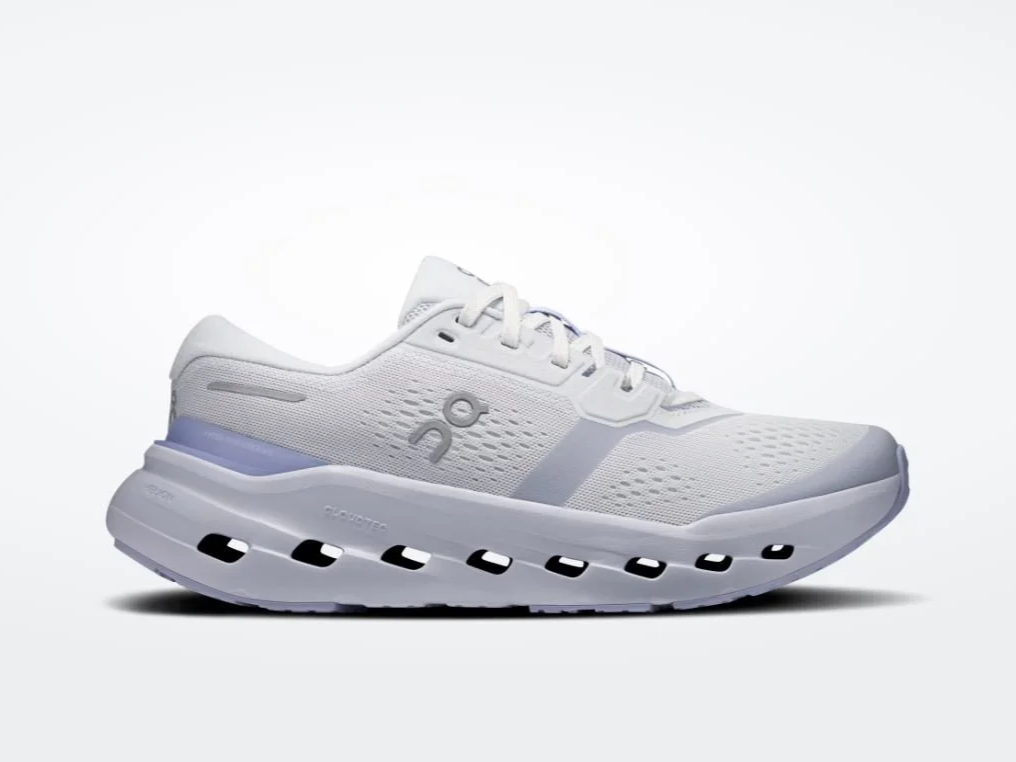
On Cloudrunner 3 (US$ 160 / CAD $190 from On)
Lightweight but cushioned running shoe, great for running on road. Available in men’s and women’s sizing. True to size.
Q: Do I need a fancy watch to record my runs?
Short answer: No.
Long answer: Runners looove tracking their runs. There is a joke amongst runners that the first thing we do after a run is look at our running data, like the time, distance, and pace (or speed) that we ran. You definitely do not need to do any of this, though! Some runners prefer to run without any technology (it’s called “running naked”) in order to tune into their surroundings and get immersed in the feeling of the run.
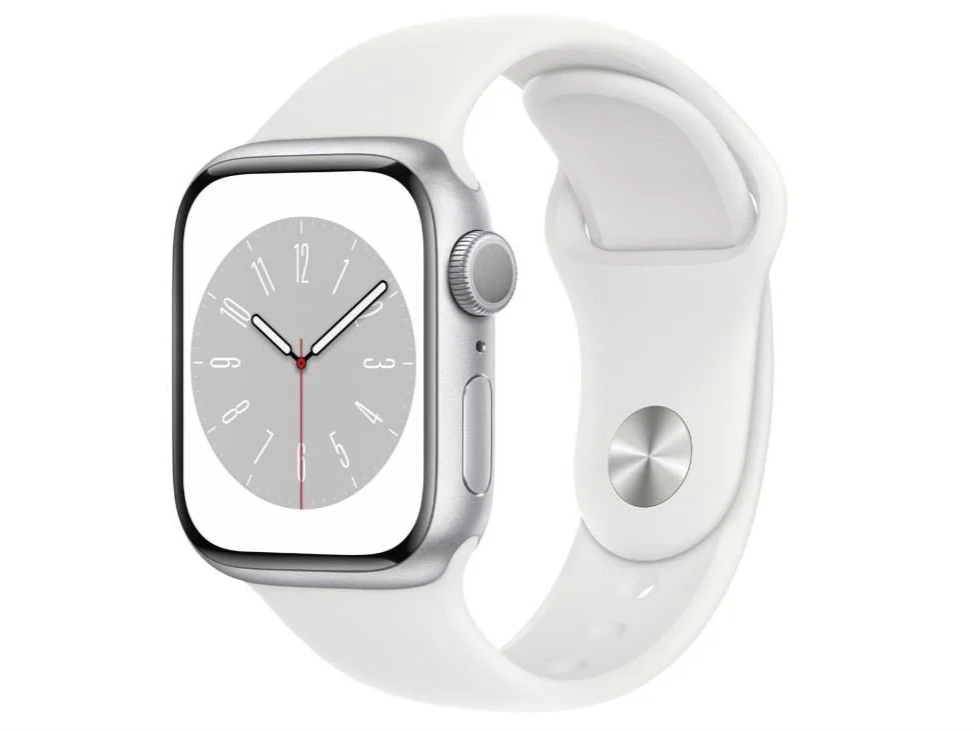
If you decide that you want to have a running watch, there are lots of affordable options available. Look for a watch that has built-in GPS since this will allow you to see the distance of your runs, as well as time and pace of your activity. Another feature that many runners look for is a wrist-based heart rate monitor, which means that the watch can read your heart rate directly from your wrist. These are the two features that are included in the majority of entry-level running watches currently available. Any other features (like smartwatch notifications, music, and other running-related data) are extras and will usually drive up the price of the watch. The most popular running watch brands are Garmin, Polar, Suunto, and Coros, and of course the Apple Watch. Below are some models that are well-loved.
Note: If a watch is not in the budget but you still want to record your runs, you can also use an app on your phone. Some popular options are Strava and Runkeeper.
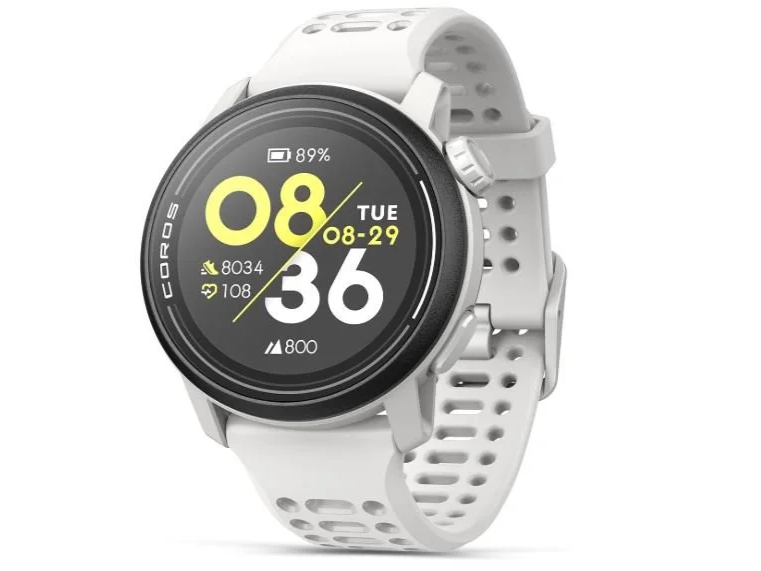
Coros Pace 3 (US$ 199 from Amazon)
(My personal favourite running watch! If you can find the older Coros Pace 2 it works great too.)

Q: What do I wear on my runs?
Short answer: Something comfortable.
Long answer: There are no rules when it comes to what you wear running. The goal is to feel comfortable and to be able to move freely. Look for stretchy fabrics, and try to avoid wearing anything that is 100% cotton (especially socks!). Though cotton is a wonderful natural fabric, it absorbs moisture and can lead to uncomfortable chafing and blisters as you sweat. Technical running clothes are made to be “sweat wicking” which means that they pull sweat away from the skin and allow it to evaporate.
For your bottom half, running shorts or running tights are both great options depending on your preference and the weather. Look for a pair with a built-in liner or brief for added comfort. If you're prone to chafing, longer shorts or tights will serve you better than shorter ones.
For your top half, a lightweight technical t-shirt or tank is all you need in warmer weather. In cooler temperatures, a long-sleeve base layer works well, and you can add a lightweight running jacket on top if needed. Avoid thick, heavy layers — you will warm up faster than you expect once you start moving. For more about gear for cooler climates, check out my favourite winter running gear here: My Complete List of Winter Running Gear
If you run in a sports bra, fit matters more than brand. Look for one with enough support for your activity level — a low-impact bra that works fine for yoga may not feel great on a run.
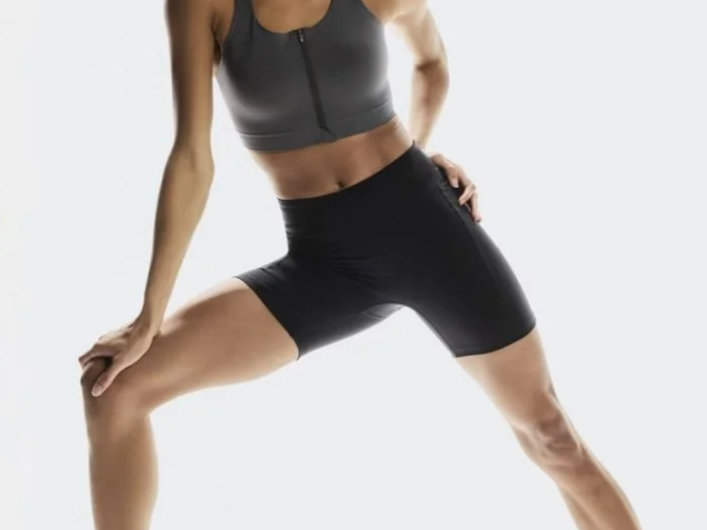
On Performance Tights Short (US$ 70 / CA$ 90 from On)
Hands down my favourite shorts of all time, they have a side pocket that fits your phone. Fits true to size.
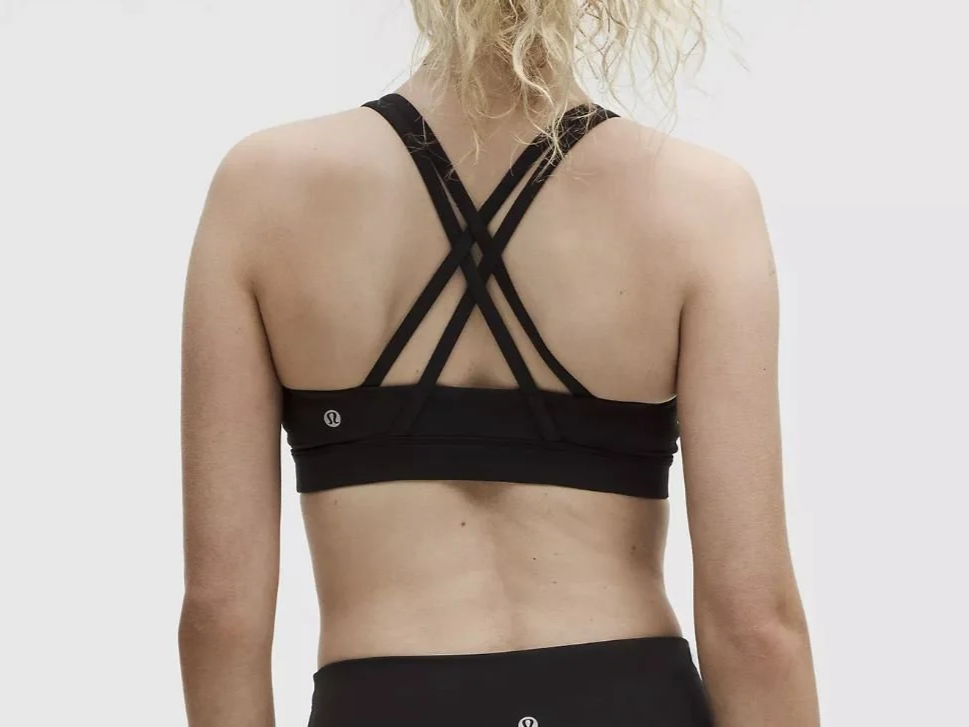
Lululemon Energy Bra Medium Support, B–D Cups (US$ 58 / CA$ 68 from Lululemon)
This bra is a Lululemon staple and come in different colours every season. It has been my go-to for running for over a decade (I’m a D cup). Fits true to size.
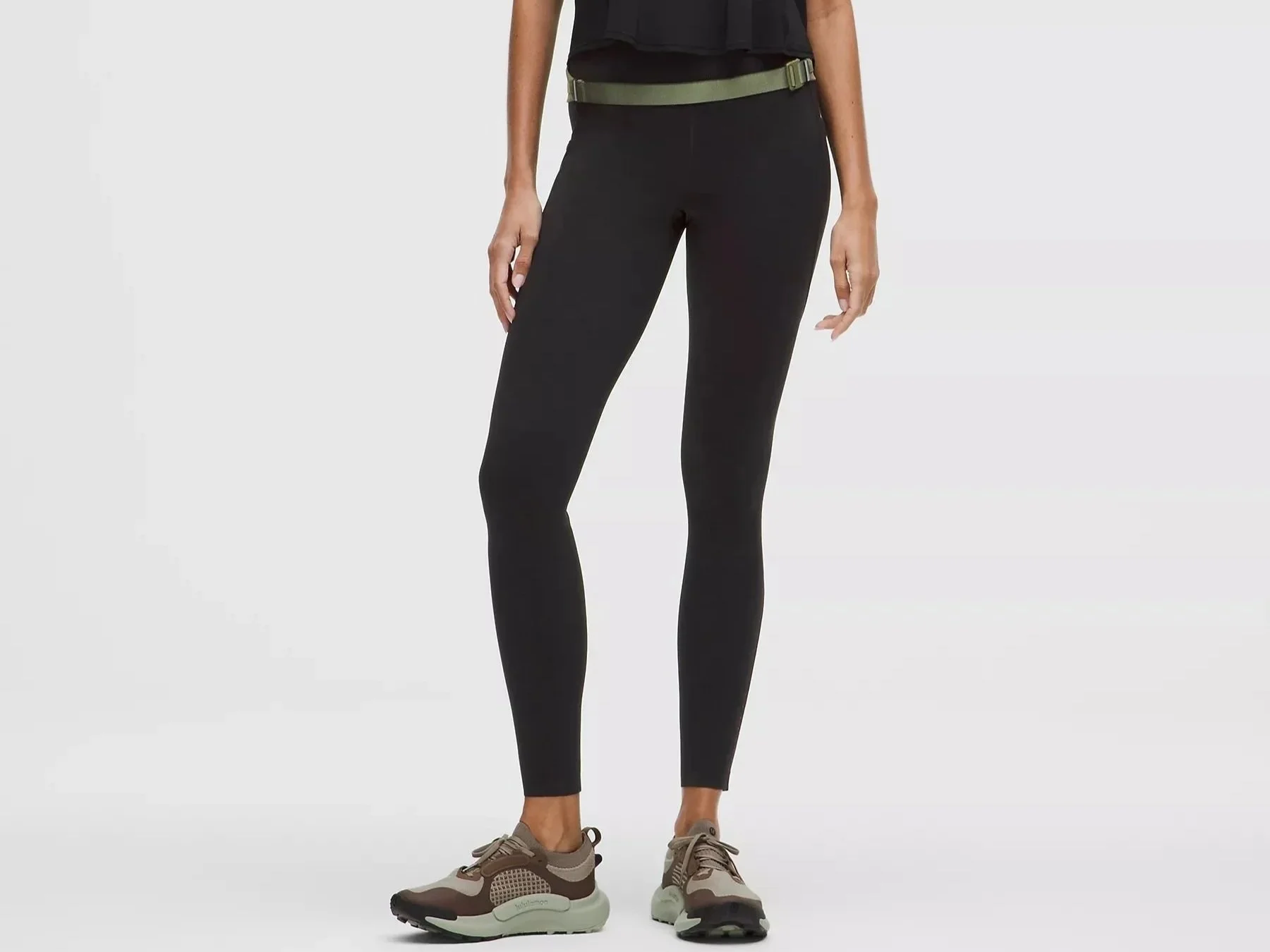
Lululemon Fast and Free High-Rise Tight (US$ 128 / CA$ 148 from Lululemon)
These leggings are a Lululemon staple and come in different colours and inseam lengths. Fits true to size.
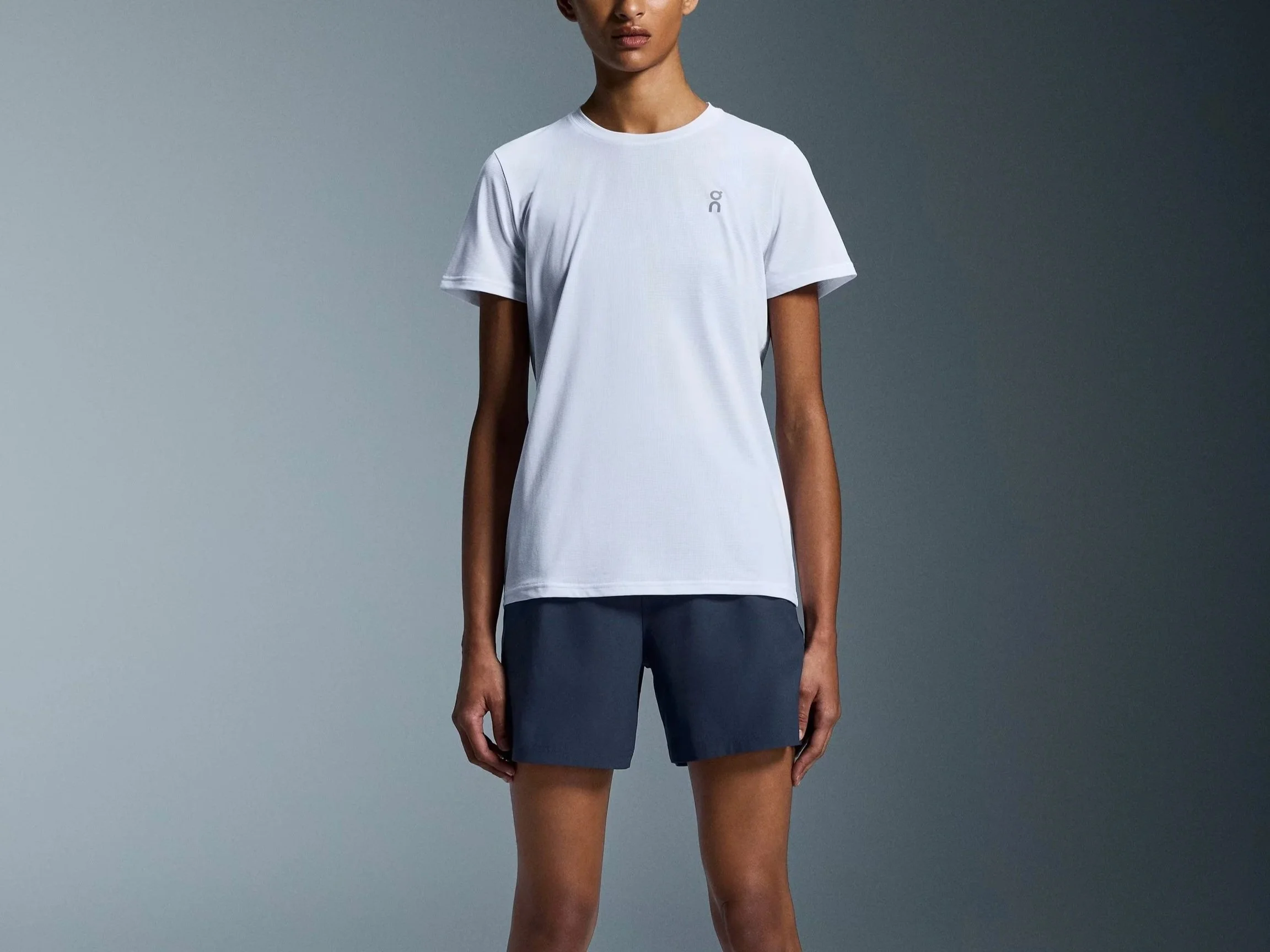
On Performance Tights Short (US$ 60 / CA$ 80 from On)
Hands down my favourite shorts of all time, they have a side pocket that fits your phone. Fits true to size.
Advertisement
Q: Do I need to follow a training plan?
Short answer: No, but it can help.
Long answer: Having a plan is a great way to stay on track and reach your goals. A training plan for running will lay out your runs for the week, and will build slowly over time to reach a specific goal. There are lots of free training plans online. For example, the Couch to 5K program is a very popular free running program for beginners that helps build up to running 5 kilometers (3.1 miles) in 9 weeks. Training plans are usually designed by a run coach and progress in a way that your body has time to recover before the next workout. This reduces your chances of getting injured.
I love having a training plan because it keeps me on track with my runs. When I don’t have a plan, I tend to take more rest days than I need to. I am a visual person so I like to print my training program and put a big X on every run that I complete. It’s so satisfying!
I created a FREE printable worksheet for the Couch to 5K program that you can find here.
If you want a training plan that's built specifically for you and your goals, that's exactly what a run coach does. You can learn more about my coaching services here.
Q: Okay, but how do I start running as a complete beginner?
Short answer: You have to just start!
Long answer: Running is one of the most natural things our bodies are built to do. It is scary to start a new thing, but the best way to figure out how to run is to just run. I promise that the first step out the door is one of the biggest psychological barriers you will have to go through. Once you break through that barrier, the next time will feel much easier.
Try to think of a time when you did something else that felt hard at the beginning. Once you tried it out and learned what to do it became easier, right? Maybe you were scared to drive a car, but now regularly commute to work every day. Maybe you were nervous to do public speaking, but now you lead team calls at work. Try to think of running like that. It’s scary because it is unfamiliar, but once you become familiar with it it will become much less scary.
If you still feel stuck but want to give running a try, why not go for a walk to start? Most of us feel comfortable with a walk, so this task feels safe. If you’re up for it, try lightly jogging for just one block to see how it feels. Maybe you go for a second block, or maybe you try one block again tomorrow. There is no timeline for running, so do it at your own pace!
Still need a little extra push to get out the door? Read my 5 tips for beginner runners.
This is not a sponsored post! As always, I provide my real opinion on the products being reviewed. This post contains affiliate links, which means that if you make a purchase I will make a small commission at no cost to you.